
From Intention to Impact: Why Most Transformations Stall at the Human Level
Your transformation strategy is sound. Your business case is approved. Your project plan is detailed and realistic.
Yet three months in, you're seeing the pattern you've seen before: initial momentum followed by plateauing adoption, pockets of enthusiasm surrounded by quiet resistance, and a growing gap between what's happening in status meetings and what's happening on the ground.
Here's what we've learned: The strategy is rarely what fails. It's the human dimensions we haven't adequately diagnosed.
Prioritizing Human-Centered Change
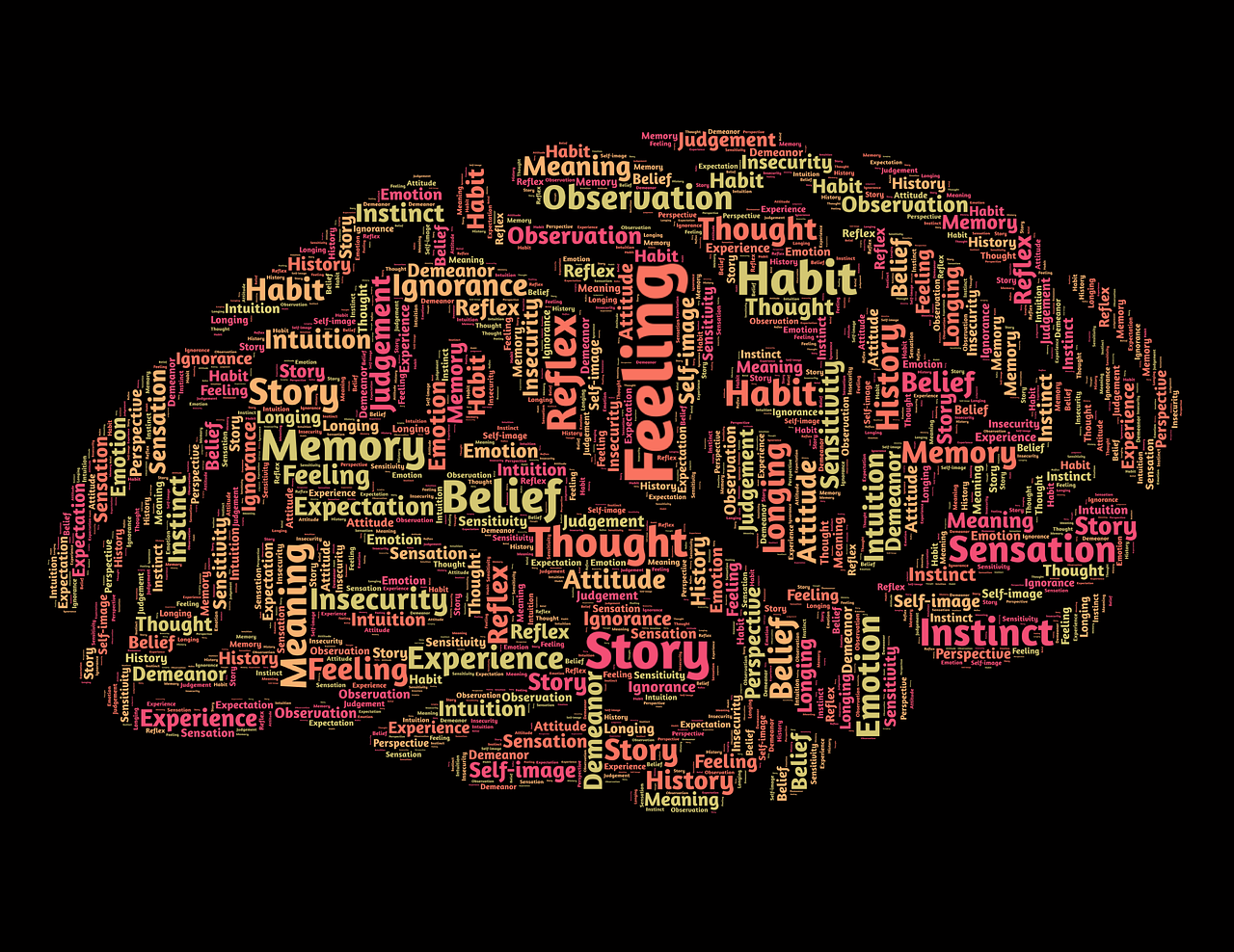
Change in organizations often hits roadblocks when people aren't prioritized. The focus needs to be on human behavior to ensure lasting success.
Why 70% of Change Initiatives Don't Stick
Research consistently shows that approximately 70% of organizational change efforts fail to achieve their intended outcomes. Not because the strategies are flawed, but because they focus primarily on structural elements—new processes, systems, governance models—while treating human behavior as something that will naturally follow.
It doesn't.
Think about a common scenario: implementing a new technology platform. The technical deployment goes smoothly. Training completion rates are high. Communications are clear and frequent.
But six months later, people have developed elaborate workarounds to avoid using the new system, or they're using only the features that replicate their old workflow while ignoring the capabilities that would actually transform their work.
This isn't resistance or sabotage. It's what happens when we don't account for how people actually integrate change into their daily reality.
What Human-Centered Change Actually Means
Human-centered change management goes beyond employee engagement surveys and change champions. It means diagnosing the psychological, social, and practical dynamics that determine whether people can translate intention into sustained behavioral change.
Three elements are particularly critical:
Understanding before expecting: Most people don't resist change itself—they resist unclear expectations or changes that seem disconnected from their actual challenges. When a team understands not just what's changing but why it matters for their specific work context, adoption accelerates naturally.
We worked with an organization rolling out new project management software. Initial adoption was scattered. When we dug deeper, we found that different departments had completely different mental models of what "project management" meant. IT saw it as resource allocation. Marketing saw it as creative workflow tracking. Finance saw it as budget monitoring.
The software could support all three, but no one had explicitly connected each team's understanding to the relevant features. Once that translation happened, adoption moved from 40% to 78% within a month.
Addressing fears directly: When significant change occurs, people naturally ask: "What does this mean for me?" Sometimes that question is about job security. Sometimes it's about competence—"Will I be able to do this well?" Sometimes it's about workload—"Is this just one more thing on top of everything else?"
These concerns are legitimate and predictable. Creating space to surface and address them isn't coddling—it's removing barriers to adoption.
Building participation, not just buy-in: There's a significant difference between getting people to accept a change and involving them in shaping how it gets implemented in their context. The former creates compliance. The latter creates ownership.
One healthcare system we worked with was implementing new care coordination protocols. Rather than cascading the protocols as final directives, they involved frontline staff in identifying where the protocols would create friction with existing workflows, then adapting implementation to address those points.
The result wasn't diluted protocols—it was protocols that actually worked in practice because they'd been stress-tested against real constraints.
The Five-Lever Framework: A Diagnostic Approach

The Five-Lever Framework is your guide to sustainable change. It covers the critical aspects of human behavior crucial for transformation.
The Five-Lever Framework emerged from a consistent pattern we observed: organizations were measuring activity (training completed, communications sent, milestones achieved) while the actual barriers to adoption remained invisible.
The framework examines five interconnected dimensions:
Intention: Do people understand what success looks like in behavioral terms, not just conceptual ones? Can someone articulate what they should start doing, stop doing, or do differently?
We often find that 80% of people can explain the organizational vision while only 30% can translate it into changes in their daily work. That gap is where adoption stalls.
Habits: Which established routines and workflows conflict with the new behaviors you're requesting?
Humans are creatures of habit. We've optimized our work patterns over time, often unconsciously. When new behaviors require breaking effective habits, people need explicit support to build new patterns—not just awareness that change is needed.
Norms: What unspoken rules govern how work actually gets done in your organization?
One client discovered their "collaborative culture" actually meant "don't openly disagree with leadership." This completely undermined their transformation initiative, which required people to surface process problems early. The formal messaging said "speak up." The informal norms said "don't make waves." Informal norms won.
Capacity: Where is the time, energy, and attention for new behaviors actually coming from?
This is the most frequently overlooked dimension. A new process that adds 20 minutes per day only works if people have 20 minutes per day available. If they don't, they'll either skip it, rush through it inadequately, or sacrifice something else—often something important.
Attitudes/Trust: Do people believe this change will genuinely improve their work, or are they waiting for it to pass like previous initiatives?
Past experience creates current expectations. If your organization has a history of "flavor of the month" initiatives, even well-designed changes start with a credibility deficit. That needs to be diagnosed and addressed, not ignored.
Moving from Diagnosis to Action
The framework follows three phases:
Diagnose: Identify which of the five levers are creating the most significant barriers to adoption in your context. This involves mixed-method data collection—surveys combined with interviews and observation—because what people say in formal settings often differs from what's happening informally.
Design: Develop interventions specifically targeted at the barriers you've identified. Generic change management approaches apply the same tactics regardless of root cause. Targeted interventions address the actual dynamics blocking progress.
Deploy: Implement changes with built-in feedback loops that let you adjust as you learn what's working and what needs refinement. This isn't about perfect planning—it's about adaptive implementation.
What This Looks Like in Leadership Development
Effective change leadership requires a specific combination of capabilities:
Clarity of vision combined with flexibility of path: Leaders need to be clear about the destination while remaining open to different routes to get there. When leaders confuse "the goal" with "the plan," they shut down valuable adaptation.
Diagnostic curiosity: The best change leaders we've worked with ask genuine questions about what's working and what isn't—and they treat unexpected answers as valuable data, not threats to the plan.
Comfort with transition psychology: Change is situational (the new software launches on Tuesday). Transition is psychological (the period of uncertainty, learning, and adaptation that follows). Leaders who understand this distinction can support their teams through the messy middle rather than treating it as a problem to be eliminated.
Where to Start
If you're leading or supporting a transformation and want to diagnose what might be blocking deeper adoption, start with these questions:
1. Can five people at different levels of your organization articulate what success looks like in behavioral terms (what they'll start/stop/change doing)?
2. What existing workflows or habits directly conflict with what you're asking people to do differently?
3. What unspoken rules or norms might be working against your formal change messaging?
4. Have you explicitly identified what people should stop doing to create capacity for new behaviors?
5. What's the history of change initiatives in your organization, and how might that be shaping current receptivity?
Your answers to these questions will tell you which levers need attention—and where your efforts will have the most impact.
Partnering with The BLU Arc Collective means gaining access to tools and expertise to drive meaningful change.
Organizational Diagnostics and Workshops
Our diagnostic tools uncover hidden challenges within your organization. Through targeted workshops, we equip your team with strategies to overcome these obstacles. For instance, when a client faced resistance to a new policy, our workshop helped them address the root causes, leading to smoother implementation.
Identify Barriers: Use diagnostics to find what's hindering progress.
Empower Teams: Workshops provide actionable insights.
Foster Growth: Build a culture that supports change.
With these tools, your organization can achieve more than just change—it can transform.
Your Path to Leadership Development for Change
Leadership is crucial for change. We offer programs that develop leaders capable of guiding their teams through transformation. Our approach is holistic, focusing not just on skills but on mindset.
Every leader needs:
Vision: Clear goals and a roadmap for achieving them.
Empathy: Understanding and addressing team concerns.
Resilience: The ability to adapt and overcome challenges.
These qualities ensure leaders are not just managers but change agents. Are you ready to lead your organization to a brighter future?
Let's Explore What You're Seeing
If you're navigating a transformation and want to understand the human dynamics that might be affecting adoption, we'd welcome a conversation.
Schedule a 30-minute diagnostic conversation—we'll help you identify which of the five levers might need attention in your specific context.
Angella Dagenhart & Krista Beljan
The BLU Arc Collective
